With the autumn half-term break having just concluded in October, curriculum planning in UK schools is shifting focus to the next phase: the intensive preparation period for off-site educational trips during the 2026 spring term (February–April). During this window, schools typically evaluate curriculum coverage, the achievement of PSHE (Personal, Social, Health and Economic Education) learning objectives, and the feasibility and compliance of external educational resources.
As schools select their spring trip programs, PGL frequently emerges as a top choice among outdoor education providers. This is not merely due to their wide variety of activities, but because their comprehensive curriculum framework features a clear educational structure designed to align seamlessly with school requirements.
PSHE Alignment: Structuring Outdoor Experiences for Learning Outcomes
Within the UK curriculum, PSHE emphasizes students’ teamwork, independent judgment, and sense of social responsibility in real-world contexts.
PGL’s curriculum design stands out by breaking down these abstract competencies into observable behaviors that can be cultivated in an outdoor setting. For instance, communication and role allocation are reinforced during team tasks; independent decision-making is practiced during challenge activities; and reflection and articulation are encouraged during post-activity debrief sessions.
This structure ensures that learning extends beyond classroom discussions, creating a trackable trajectory of skill development within real-world scenarios and making it easier to align with PSHE assessment standards.
Age-Appropriate Design: Seamlessly Linking Spring Trips to Curriculum Stages
For spring program planning, PGL offers a clear, tiered curriculum system, allowing students of different ages to engage with outdoor learning paths tailored to their specific developmental stages and goals.
Curricula for lower primary students focus on foundational social skills and team awareness; through low-risk outdoor activities and cooperative tasks, students build an understanding of rules and habits of collaboration in a safe environment.
For upper primary students, structured challenges—such as team puzzles, orienteering tasks, and basic outdoor skills training—are gradually introduced, shifting the focus toward communication efficiency and task execution.
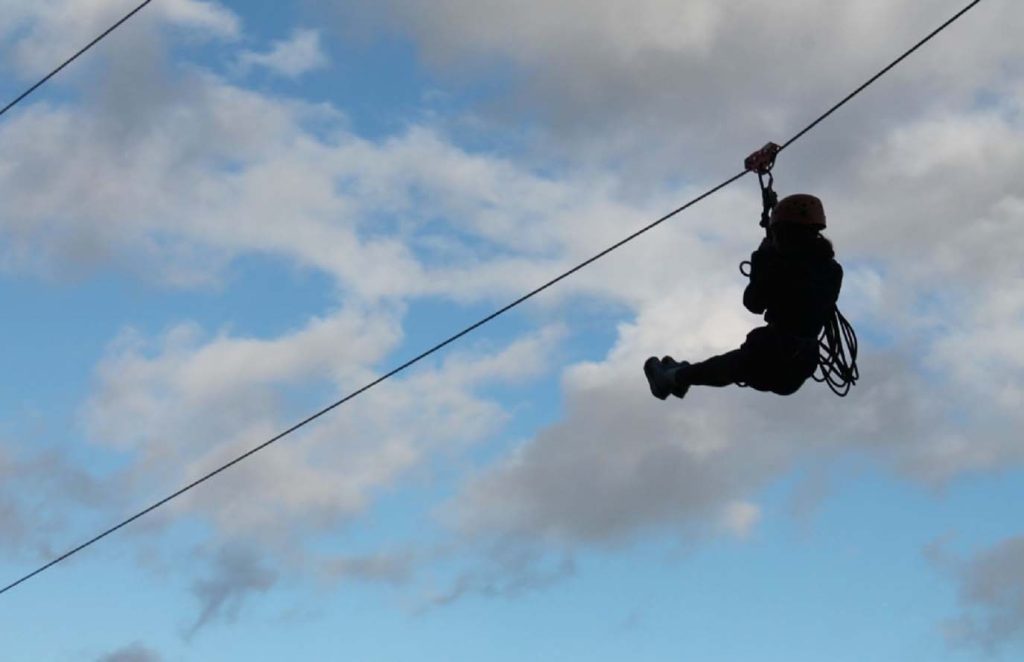
Secondary and high school students engage with more challenging curricula, including high-ropes courses, strategic team tasks, and outdoor decision-making exercises, placing greater emphasis on leadership, resilience, and collaboration within complex environments. The advantage of this tiered design is that schools can directly align their curriculum with Key Stage objectives without needing to modify external programs.
Core Value from the School’s Perspective: Safety, Compliance, and Feasibility
Implementing a spring educational trip requires meeting safety audits, risk assessments, and external compliance standards simultaneously; therefore, program standardization and operational consistency are crucial.
PGL has established a comprehensive system in this regard: all activities are led by certified professional instructors and managed through standardized risk assessment protocols, ensuring operations remain within a safe framework.
Furthermore, its all-inclusive service model—covering accommodation, activity delivery, transport coordination, and insurance—eliminates the need for schools to manage multiple supply chain components, thereby significantly reducing operational complexity.
The camps also hold official Ofsted accreditation. This qualification is a key reference point in the UK school approval process, directly influencing compliance assessments and the efficiency of internal approvals.
Group Support Mechanism: Dedicated Solutions for Groups of 15+
For school group partnerships, PGL offers a dedicated support system for groups of 15 or more, including special group pricing and customized itinerary planning.
Schools can also book site visits. This option is particularly valuable for projects requiring safety assessments or board presentations, as on-site inspections enhance transparency and increase the likelihood of approval.
This proactive support model ensures that educational trips are backed by verifiable data and a solid basis for decision-making before the formal approval process even begins.
The October Planning Window: A Critical Launch Phase for Spring 2026 Trips
Following the October half-term break, UK schools typically enter the peak planning phase for spring term educational trips.
During this period, schools simultaneously define curriculum objectives, identify external resources, and initiate budget approval processes. The curriculum handbooks and program materials provided by PGL during this time can often be used directly for internal meetings and approval documentation, reducing the need for multiple rounds of communication and accelerating decision-making.
One-Stop Documentation System: Streamlining Internal Approvals
Throughout the development of an educational trip, the standardization of documentation often directly impacts approval efficiency and the pace of implementation. The dedicated portal for schools on PGL offers downloadable program brochures and quotation forms; the information is comprehensive and clearly structured, making it suitable for immediate use in internal school reporting and approval processes.
This standardized documentation system reduces the workload associated with fragmenting and re-organizing information, thereby facilitating the smoother transmission of proposals across different levels of decision-making.
A shift toward “modular curriculum structures” in educational travel programs
An analysis of current trends in spring educational travel planning reveals that PGL’s value extends beyond the outdoor activities themselves, increasingly centering on curriculum structuring and the integration of educational objectives.
Its curriculum framework aligns with PSHE learning goals, supports age-appropriate skill development, and meets the systemic requirements of schools regarding safety compliance and operational reliability.
For the Spring 2026 term, educational travel programs that offer such curriculum integration capabilities are becoming the preferred, structured choice for an increasing number of schools.