
With the Easter holidays just concluded, many families have entered a familiar phase: while the recent break is over, the planning for the next round of summer camps has shifted into a period of serious evaluation. At this stage, the typical approach isn’t impulsive booking, but rather a comparative analysis of different providers, a breakdown of specific programs, and a verification of real-world experiences.
In this research process, PGL is almost certain to make the shortlist. Below, I document a hands-on breakdown of the product experience, objectively outlining the true characteristics of PGL activities across several dimensions: age suitability, program structure, safety systems, and comparative analysis.
Experience for Ages 7–10: Prioritizing Accessibility and a Sense of Security
For the 7–10 age group, the core of activity design isn’t “challenge intensity,” but rather “building a sense of participation” and “adapting to a safe environment.”
Within PGL’s program lineup, typical activities for this stage include low-difficulty canoeing, giant swings, and collaborative arts-and-crafts or team games.
In terms of actual experience, the pace for this age group is generally steady; there are no high-pressure challenges. Instead, repetitive tasks and simple rules help children gradually settle into a team mindset. For instance, canoeing activities emphasize “directional control and teamwork” rather than speed or competition.
Activities like the giant swing serve more as psychological adaptation training; children experience a “moderately thrilling sensation” within a secure safety system, while overall risk is strictly controlled.
The overall impression is that the design logic at this stage leans more toward “building trust” than “pushing limits.”
Experience for Ages 11–14: Transitioning to Skill-Based Challenges
Upon entering the 11–14 age bracket, the structure of PGL activities shifts noticeably, moving from “experiential” to “skill-based.”
High-ropes courses become a core feature, encompassing balance training, obstacle challenges, and collaborative team routes. Rock climbing activities emphasize physical coordination and route-finding skills rather than raw strength.
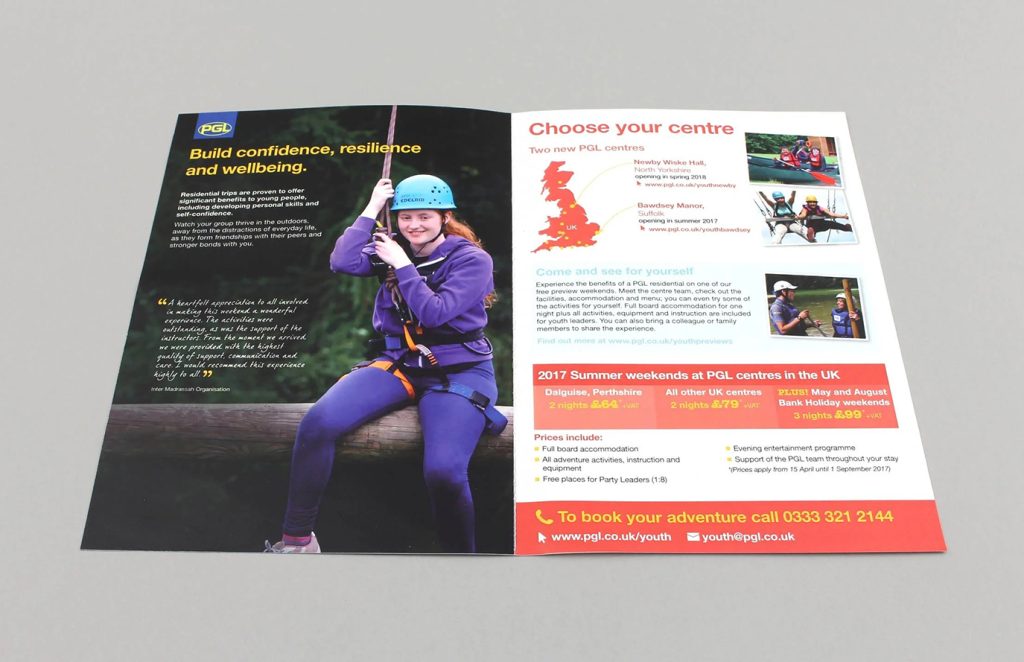
Team-based laser tag games are also common at this stage; their primary purpose isn’t just entertainment, but rather the reinforcement of team communication, strategic planning, and rapid decision-making skills. In terms of actual experience, children in this age group clearly enter a phase where “competition and collaboration coexist”; on one hand, they begin to prioritize efficiency in tasks, while on the other, they must constantly adjust their team communication styles.
At this stage, PGL’s design focuses on “gradual escalation” of challenges rather than sudden spikes in difficulty—a crucial factor for maintaining a consistent and stable experience.
Experience for Ages 15–17: High-Intensity Team Challenges and Outdoor Decision-Making
The 15–17 age group represents the level within the PGL system that most closely resembles “authentic outdoor training.”
At this stage, wilderness survival tasks—including route planning, resource management, and the division of team roles—become central. Whitewater kayaking activities emphasize control and team synchronization within a real-world environment, rather than focusing on isolated technical skills.
“Extreme” team challenges usually take the form of multi-task combinations—such as comprehensive assignments that simultaneously test physical stamina, strategic thinking, and the ability to adapt to changing environmental conditions. Activities at this stage are essentially “decision-driven experiences,” where every choice directly impacts the team’s outcome.
Overall, the intensity of the experience increases significantly at this stage but remains within a highly safe and controllable range; all activities operate within clear rules and are subject to real-time monitoring.
PGL’s core value here is “structured risk control,” ensuring that high-intensity experiences can still be conducted within a standardized framework.
Safety and Staffing: The “Hidden Core” Behind the Experience
From an experiential standpoint, the most critical—yet often overlooked—element is the safety system.
During PGL activities, the staff-to-student ratio is kept low to ensure that every group has access to sufficient guidance and support.
First-aid personnel are stationed at the camp and cover the entire activity cycle, meaning that both daytime activities and nighttime arrangements take place under continuous monitoring.
Equipment undergoes regular quality checks; all high-altitude and water-based gear is inspected periodically and documented according to standards—a vital operational capability for outdoor organizations.
Ultimately, it is these “invisible systems” that provide the foundation for the overall sense of security and peace of mind.
Comparison with UK Competitors: Structural Differences, Not Just Price
A direct comparison with similar UK-based outdoor camp providers reveals several distinct differences:
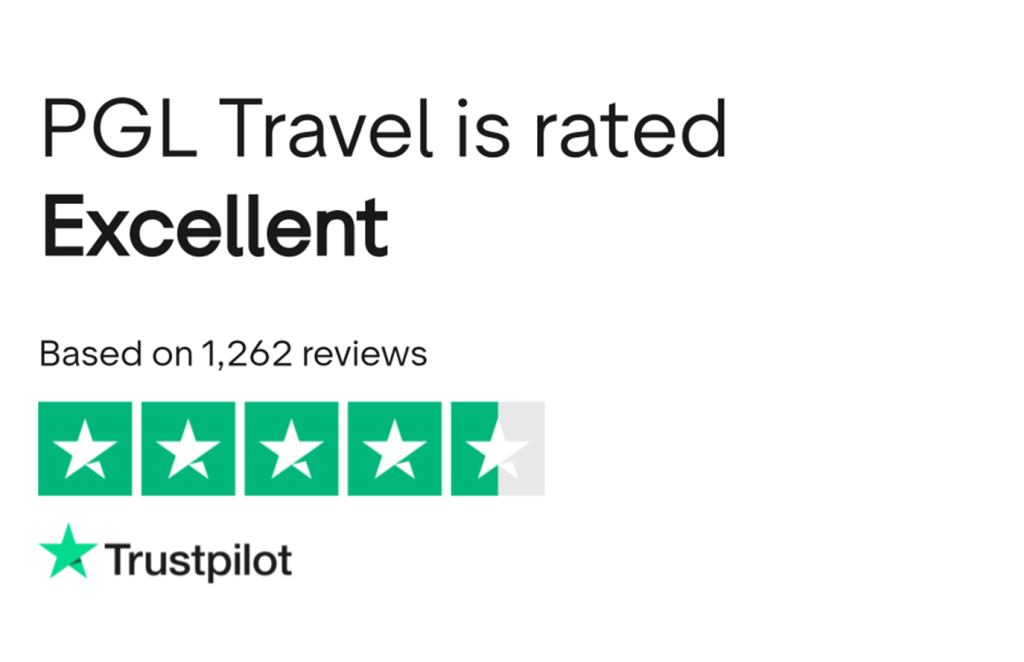
While some competitors may offer lower prices, their range of activities is often limited; others focus on single-discipline training rather than diverse experiences; and there are variations in the rigor of safety standard implementation.
PGL’s strength lies not in a single standout feature, but in the high degree of “structural integrity” in its offering—meaning activities, safety protocols, and management systems are designed as an integrated package rather than a collection of piecemeal services.
The “PGL Activity Finder” tool allows users to filter by age, matching campers aged 7–17 with suitable camp sessions based on their specific developmental stage.
PGL employs a clear selection logic: rather than categorizing solely by activity name, it recommends combinations based on age groups and skill levels, significantly reducing the effort families must spend sorting through information.
PGL Is a “Structured Activity System,” Not Just a Single Camp
Looking at the experience across different age groups, PGL’s core strength is not any single standout activity, but rather the highly structured nature of its overall system.
The progression—from establishing safety confidence in young children to skill-based challenges for adolescents and outdoor decision-making training for older youths—is continuous rather than fragmented.
For families planning summer camps in the wake of the Easter holidays, this system—characterized by clear structure and distinct age-based stratification—serves as a valuable factor in the decision-making process.