A few months ago, I planned a long-distance hiking and ski-mountaineering expedition—an undertaking that posed a significant challenge to both my physical strength and endurance. In the past, whenever I shouldered my gear to traverse mountains and valleys, my knees and leg muscles would come under immense strain; after hours of walking, not only would I feel profound fatigue, but the return journey often felt like a grueling test of sheer willpower. To make this outdoor adventure safer and more manageable, I decided to try the Hypershell exoskeleton. As it turned out, it completely transformed my hiking experience.
First Impressions: The Fusion of Technology and Nature
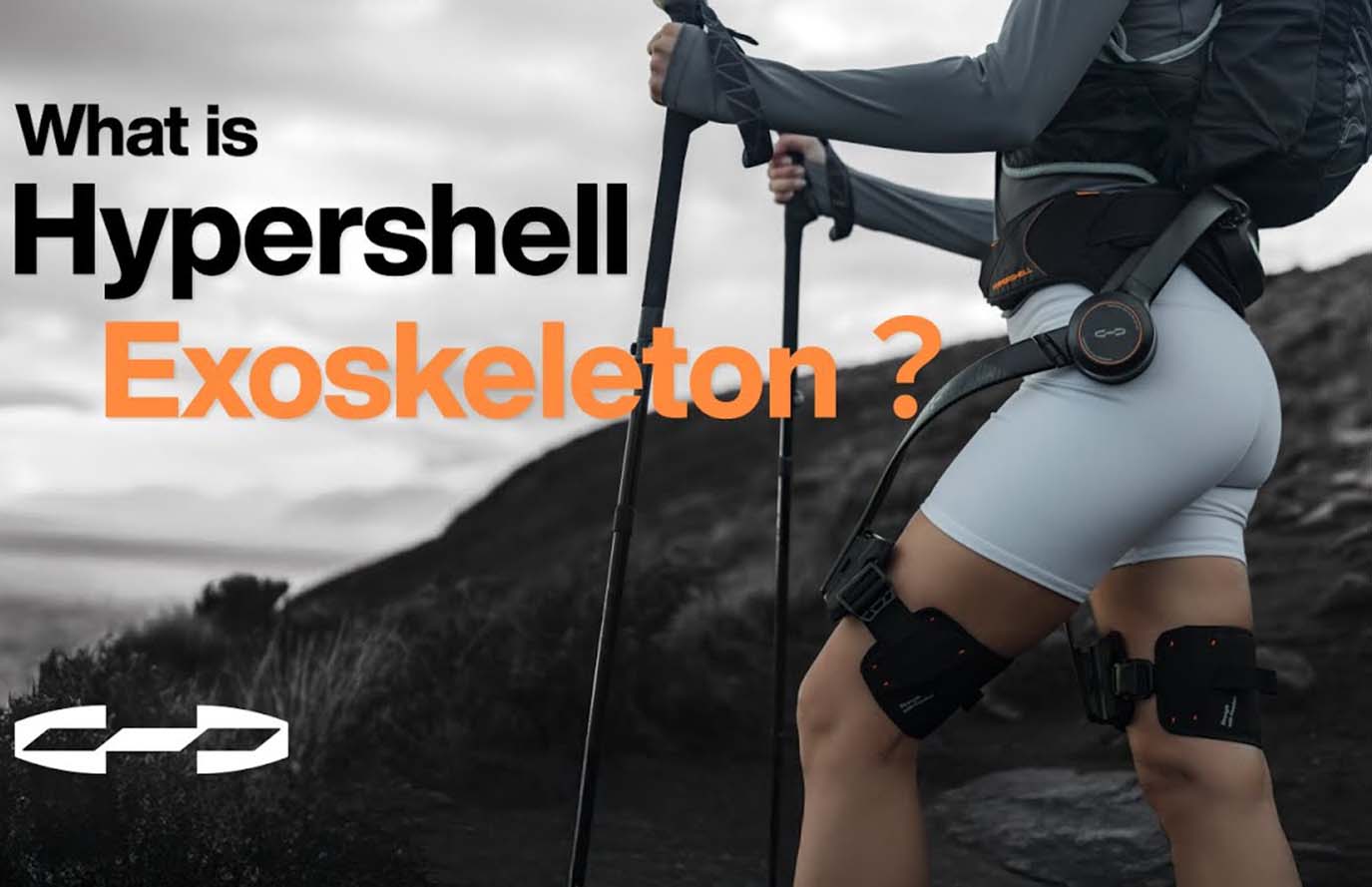
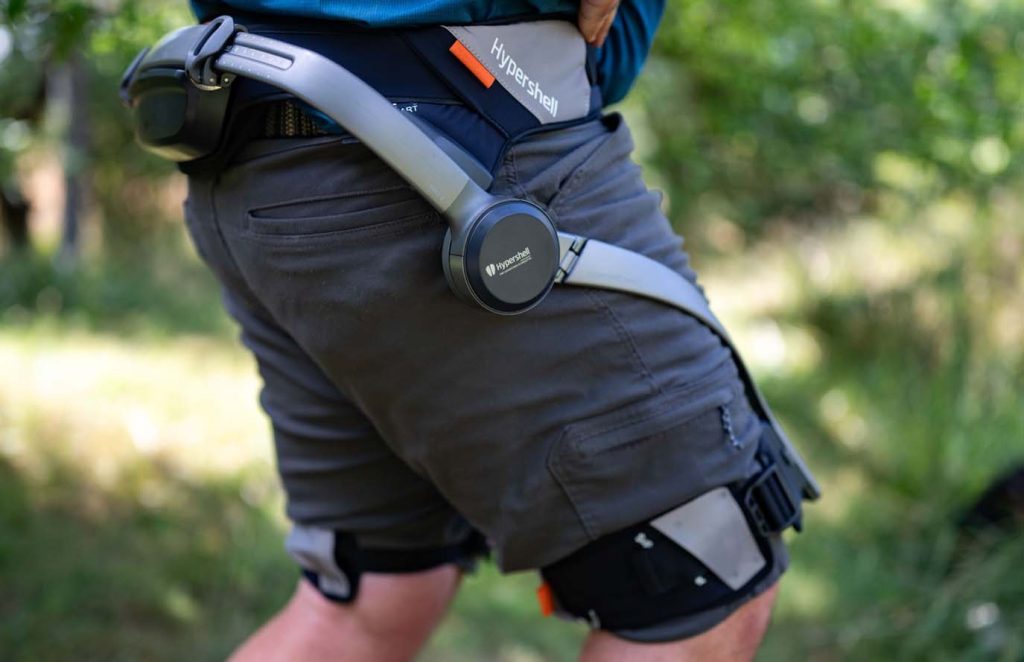
The moment I received the Hypershell exoskeleton, I was filled with curiosity. It didn’t look nearly as bulky as traditional hiking aids; instead, its lightweight design and flexible support structure felt remarkably comfortable. The process of putting on the exoskeleton was simple and straightforward: the shoulder straps, leg supports, and back connection modules were all adjustable, allowing for a perfect fit tailored to my body shape.
The instant I stood up, I immediately felt the burden on my legs and lower back being redistributed. With every step I took, my knees no longer bore the entire weight; instead, the exoskeleton provided the necessary support. It felt as though my body had been quietly infused with an extra surge of power, yet my gait remained natural and agile, completely free of any restriction.
The Hiking Experience: Effortlessly Covering Long Distances
The first route I chose was a 12-kilometer mountain hike. Carrying a 15-kilogram backpack while navigating the trail’s ascents and descents would typically place an immense strain on my knees and leg muscles. At first, I was slightly apprehensive about whether the exoskeleton could adapt to such complex terrain, but the reality far exceeded my expectations.
The exoskeleton’s leg supports provided a helpful boost with every stride; climbing uphill felt nearly effortless, while descending minimized the impact on my knees. I noticed that I was able to maintain a steady, consistent pace—unlike in the past, when I would have to stop and start frequently to catch my breath. More importantly, even after traversing rugged mountain trails for hours, I felt almost no significant fatigue in my legs or lower back. This allowed me to devote more energy to admiring the scenic landscapes along the way, rather than being distracted by physical discomfort.
Throughout the hike, I also realized that the exoskeleton’s lightweight design makes it perfectly suited for extended outdoor activities. Unlike bulky protective gear or support devices that can feel like a burden, the entire Hypershell system is well-balanced in weight, allowing me to almost forget that I am wearing an assistive device.
The Advantages of Load-Bearing Support
When hiking or mountaineering, carrying a heavy load is one of the quickest ways to induce fatigue. In the past, the excessive weight of my backpack would often leave my shoulders, lower back, and knees aching, causing my pace to slow significantly on the return journey. The Hypershell exoskeleton addresses this issue by utilizing a supportive framework to partially redistribute the backpack’s weight away from the torso—transferring it instead to the exoskeleton’s leg and hip components—thereby significantly alleviating the strain on the lower back.
During my hikes, I experimented with carrying heavier loads—such as adding a tent, a sleeping bag, and ski equipment to my pack—yet I was still able to maintain a steady, consistent pace. The exoskeleton helped distribute the physical exertion more evenly across my entire body; consequently, after long periods of walking, I no longer suffered from the leg fatigue and lower back pain that plagued me in the past. Furthermore, it mitigated the risk of injury often associated with carrying heavy loads over extended periods.
Ski Mountaineering Experience: Enhanced Endurance and Stability
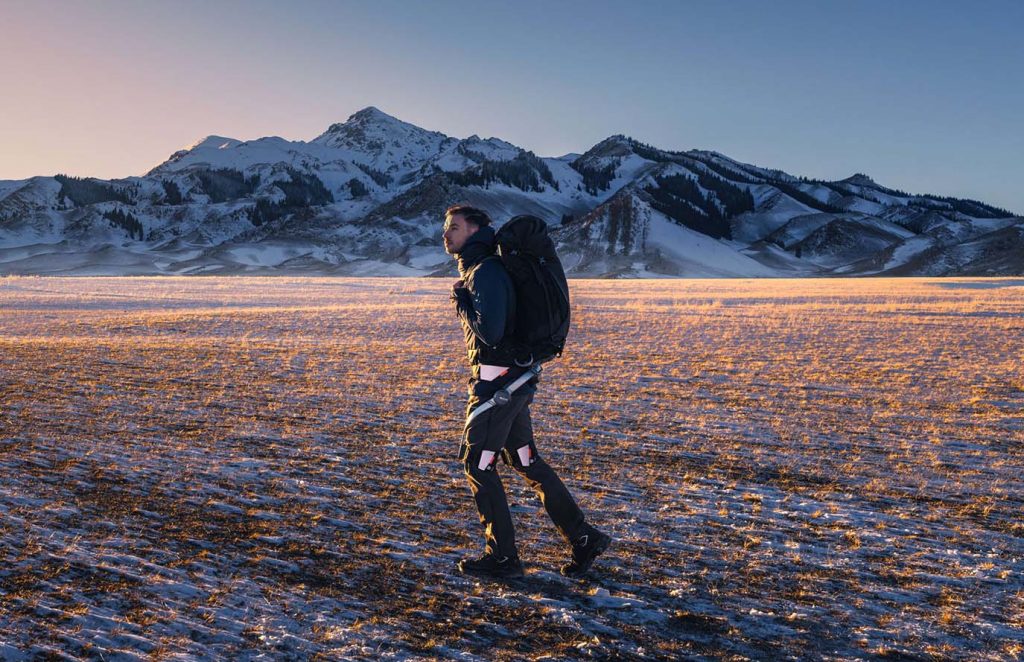
Next, I put the system to the test during a ski mountaineering excursion—a discipline that demands an even higher level of physical strength and endurance. When wearing full ski gear, the legs are subjected to immense loads; this is particularly true during ascents and traverses across steep slopes, where the knee joints bear a tremendous amount of pressure.
The Hypershell exoskeleton proved to be exceptionally effective in this demanding environment. During uphill climbs on skis, the exoskeleton provided continuous assistive power, allowing me to conserve a significant amount of energy while maintaining stable balance. On the descent, it effectively absorbed and dispersed the impact forces on my knees, preventing the tightness and pain I had previously experienced in my joints. I discovered that, with the aid of the exoskeleton, I was able to ski for much longer periods without needing frequent breaks or worrying about physical exhaustion.
What surprised me most was the exoskeleton’s adaptability across rugged terrain and snowy conditions. Even on uneven snow surfaces or steep slopes, the assistive system intelligently synchronized with my movements, allowing me to maintain a natural gait and stable equilibrium. This capability represents a tremendous advantage for ski mountaineering, as it not only protects the joints but also significantly enhances overall athletic efficiency.
A Closer Look at the Experience: Comfort and Natural Movement
Beyond providing physical support, the Hypershell exoskeleton places a strong emphasis on user comfort. The shoulder straps and leg supports are crafted from soft materials, ensuring they make contact with the skin without causing friction or restriction. The assistance level is adjustable, allowing me to fine-tune the power output myself depending on the terrain—making it equally suitable for traversing gentle paths and climbing steep slopes.
During prolonged outdoor activities, I also realized just how crucial the exoskeleton’s flexibility is. It does not restrict the natural flexion of my ankles and knees, allowing me to maintain fluid, natural movements whether I am navigating mountain trails, fording small streams, or hopping across rocks. The wearing experience feels remarkably close to my body’s own natural motion—a stark contrast to the clunky, rigid feel often associated with traditional mechanical assistance devices.
A Dual Boost: Physical and Mental
After using the Hypershell exoskeleton for several mountaineering and hiking trips, I noticed a distinct improvement in both my physical strength and endurance. Even during hours of continuous, high-intensity activity, I was able to maintain a steady pace without my legs easily succumbing to fatigue. More importantly, I felt a significant boost in my psychological confidence. Previously, I would feel a sense of mental pressure and anxiety when facing steep inclines or long-distance treks; now, knowing that the exoskeleton provides continuous support, I feel empowered to tackle longer and steeper routes.
This psychological advantage is particularly evident when ski mountaineering. In the past, every uphill ascent required me to carefully ration my energy, constantly fearing I might run out of steam halfway through. Now, I can devote my full attention to route-finding and skiing technique, free from the constant worry of fatigue—making the entire athletic experience purer and more enjoyable.
A New Companion for Outdoor Adventures
The Hypershell exoskeleton has completely revolutionized my experience of hiking, mountaineering, and ski mountaineering. It provides not only physical assistance—alleviating strain on my knees and lower back while extending my endurance—but also a boost in mental confidence, empowering me to take on longer and steeper challenges.
For anyone passionate about outdoor exploration, the Hypershell exoskeleton offers more than just enhanced physical strength and efficiency; it transforms every hike, climb, or ski mountaineering excursion into an effortless and enjoyable experience. It has shown me that modern technology can do more than simply improve our daily lives—it can truly push the boundaries of human athletic potential, turning the exploration of nature into a pure joy rather than a physical burden.