As the Easter break approaches in March, foreign language program planning in UK secondary schools enters a critical phase. This is particularly true for French departments, as decisions regarding international study tours are often finalized during this window to align with both the academic curriculum and the Easter holiday travel schedule.
Amidst this planning cycle, PGL’s Easter School Tours have emerged as a frequently cited option. Their itineraries—combining camps in the French countryside with cultural routes in Paris—offer a structured approach that balances language acquisition with authentic cultural experiences.
The March Planning Milestone: The “Golden Window” for Easter Study Tour Decisions
By March, plans for international Easter study tours generally reach the confirmation stage. Schools must simultaneously manage curriculum alignment, safety approvals, parent communication, and logistical execution. Consequently, the requirements for these tours go beyond mere “rich content”; they demand high feasibility and a comprehensive support system.
Against this backdrop, PGL’s dual-track program (featuring both France-based camps and Paris city tours) is widely adopted because it integrates language learning, cultural experiences, and outdoor activities into a unified framework, rather than treating them as separate, isolated modules.
Dual-Track Structure: From the Ardèche Valley to Parisian Cultural Experiences
A distinctive feature of PGL’s Easter programs is the “Nature + City” dual-track structure, which allows students to switch between different environments and language-use contexts.
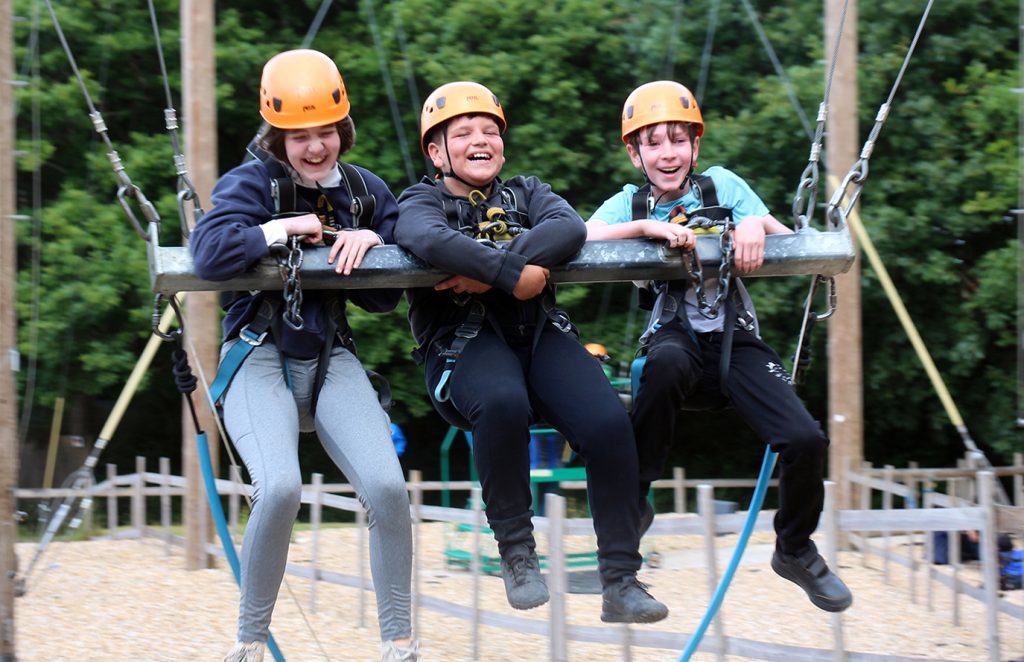
On the outdoor camp track in France’s Ardèche Valley, students engage in nature-focused activities such as kayaking, introductory outdoor challenges, and team-building tasks. Here, language learning is not conducted in a traditional classroom setting but is embedded directly into the activities—such as listening to instructions in French, communicating with local instructors, and collaborating on team tasks.
Conversely, the Paris city track shifts the focus to culture and practical language application. Visits to museums, explorations of cultural landmarks, and city-based “mission” activities enable students to gather information and communicate in French within real-world contexts. Some itineraries even incorporate cultural activities in the Disneyland Paris area, effectively linking language input with settings that appeal to students’ personal interests. PGL’s design philosophy is clear: language is not a subject to be studied in isolation, but a tool integrated throughout the entire journey.
Curriculum Design: A Three-Tiered Structure (French Instruction + Outdoor Activities + Urban Culture)
In practice, PGL’s Easter study tour goes beyond simple sightseeing and recreation; it is built upon a three-tiered structure centered on specific learning objectives.
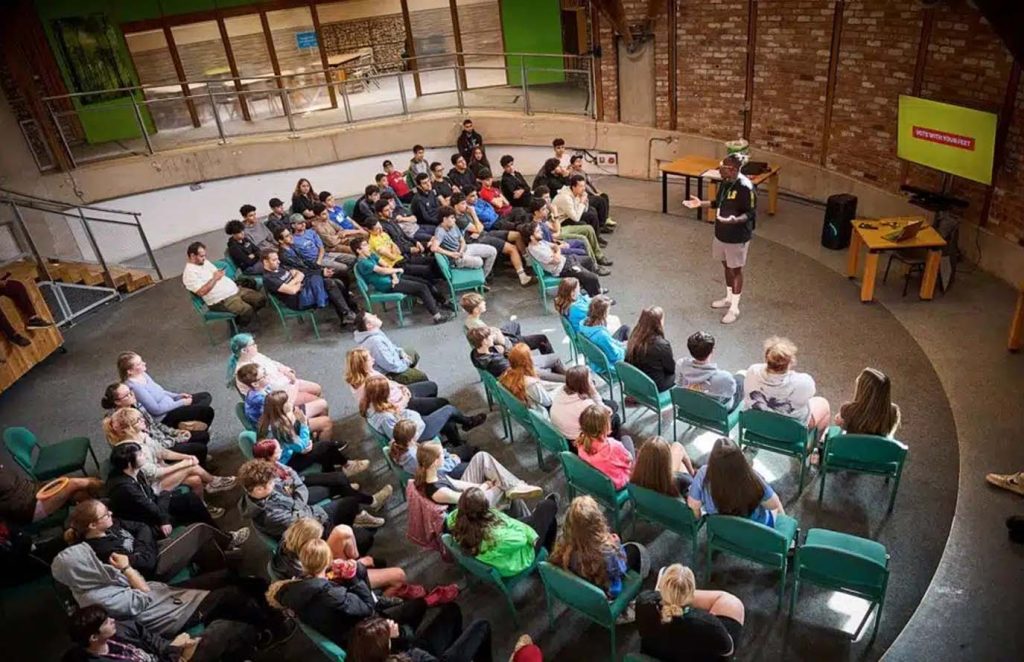
First is the instruction provided by native French teachers. This component focuses on situational language—such as navigating transport, ordering food, giving directions, and basic conversation—enabling students to establish a foundational linguistic framework before the trip begins.
Next is the outdoor adventure module. Set in a French camp environment, this phase uses task-based activities to strengthen team communication skills and naturally embed language input—such as understanding instructions, assigning roles, and reporting on tasks—into the action itself.
Finally, there is the urban culture module. Set in Paris or surrounding cities, this phase extends language learning into real-world social contexts through visits to museums, landmarks, and cultural sites, allowing students to continue comprehending and expressing themselves in French outside the classroom.
This structure transforms the journey from a mere “travel experience” into a “language application environment,” rather than just a cultural sightseeing tour.
Cross-Border Travel System: Comprehensive Support from Pre-Departure to Arrival
The greatest challenge of cross-border study tours often lies not in the curriculum itself, but in the complexity of the overall execution—including transportation, accommodation, safety, and administrative documentation.
PGL employs an integrated support system to address this. This typically includes coordinated coach transfers, seamless cross-border itinerary connections, combined camp and city accommodation arrangements, and overseas medical support.
During the pre-departure phase, PGL provides guidance on visa documentation and preparation checklists, helping schools and families complete necessary travel preparations and thereby reducing the uncertainties associated with cross-border travel.
The core advantage of this structure is the “standardization” of complex cross-border logistics, allowing schools to focus on educational objectives rather than being distracted by administrative processes.
All-Inclusive Pricing Model: A Key Distinction from Traditional Study Tour Providers
A distinct difference when comparing PGL with similar overseas study tour programs is the transparency of its cost structure.
PGL’s Easter cross-border study tours typically utilize an all-inclusive pricing model. Transportation, accommodation, activities, coursework, and basic support services are consolidated into a single fee, eliminating the risk of unexpected hidden costs during the trip. For schools, the value of this model lies not only in cost predictability but, more importantly, in facilitating budget approval and communication with parents, as the overall cost structure is clearly defined from the outset.
Sample itineraries for the cross-border Easter trip are available for download on PGL’s dedicated “PGL School Trips Europe” webpage, serving as useful resources for curriculum briefings and the preparation of approval documentation.
The Structure of Authentic Experience: How Language Learning Occurs in a “Mobile Environment”
On the France & Paris Easter itinerary, the most significant shift in language learning is the transition from “classroom-based input” to “environment-driven acquisition.”
During the camp phase, French is primarily used for daily communication, such as understanding instructions and providing feedback on tasks. In the Paris city phase, the language becomes a tool for gathering information—whether asking for directions, understanding exhibition content, or participating in cultural activities.
PGL’s program design prioritizes the frequency of use over academic intensity. By consistently using the language in real-world scenarios, students naturally build their expressive capabilities over time.
Why PGL Offers a Structural Advantage for Cross-Border Study Tours
Overall, the core challenge of an Easter cross-border study tour is not simply “where to go,” but how to ensure the entire process is safe and manageable while maintaining educational continuity.
PGL’s strength lies in integrating language lessons, outdoor activities, and urban cultural experiences into a unified system, while using standardized operational procedures to simplify the complexities of cross-border travel.
This structure transforms the Easter trip from a mere “short-term overseas experience” into an educational module that directly aligns with French curriculum objectives.
Easter Study Tours Are Evolving from “Travel” to “Curriculum-Based Experiences”
As March marks the critical planning period for Easter trips, the criteria for selecting cross-border study programs are shifting: the focus is moving away from destination-centric choices toward curriculum structure and operational capability.
PGL’s “France & Paris Easter School Tours” feature a dual-track design—combining natural settings with urban culture—to embed language learning in authentic contexts, while an integrated cross-border support system ensures smooth execution.
Within the limited timeframe of the Easter holiday, this structured, curriculum-oriented model is becoming a top choice for an increasing number of schools partnering with PGL.